
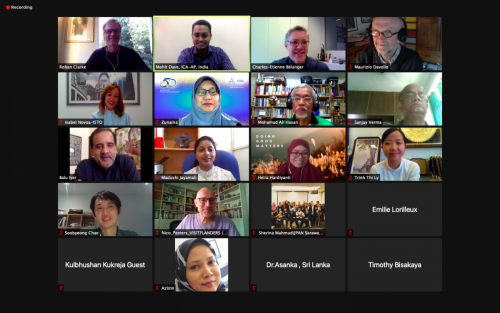
ICA-AP and the ICA-EU Partnership in collaboration with International Social Tourism Organisation (ISTO) and Wayfairer.coop organized a webinar on “Cooperative Tourism and the Covid-19 crisis – Sustainable Recovery Measures to Support the Tourism Sector in the Asia-Pacific” on 29th April 2021. The webinar brought together 27 participants from 10 countries to identify and evaluate the cooperative advantage in promoting the interests and scope of the tourism industry.
Mr. Balasubramanian Iyer, Regional Director, ICA-AP welcomed the participants and shared his opening remarks. As the entire tourism ecosystem experiences the impact of the COVID-19 crisis, reopening and rebuilding destinations requires a collaborative approach. Ongoing support to the travel and tourism economy needs to be supplemented with more coordinated efforts, utilizing this crisis as an opportunity to rethink tourism for the future. This includes the areas of digitalization, supporting the transition to low carbon, and promoting structural transformation with responsible, sustainable, and regenerative tourism.
Mr. Mohamad Ali Bin Hasan from ANGKASA, Malaysia shared how ANGKASA is contributing to the development of cooperatives in business and entrepreneurship through the tourism sector. Development of School Cooperative Tourism (PKS) and the branding CoopISTAC, creating a network of services and businesses for cooperative spa, hotel, homestay etc. were some of the activities discussed.
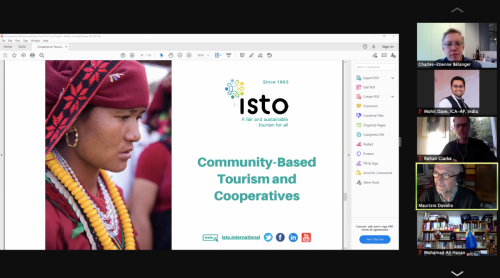
Ms. Isabel Novoa, Mr. Maurizio Davolio and Mr. Charles-E. Bélanger represented ISTO which brings together stakeholders from the social, sustainable, and solidarity tourism sectors from all over the world. They shared the economic significance of cooperative tourism in terms of regional cooperation, trade, MSME support, job creation, skills enhancement, innovation, and the development of ICT.
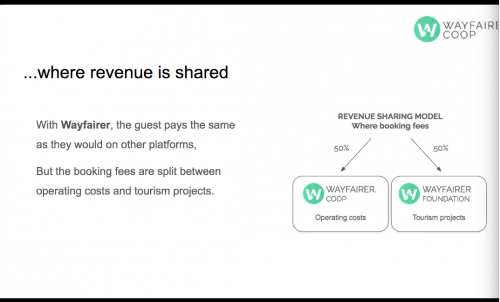
Mr. Rohan Clarke from the Wayfairer.coop, a regenerative tourism cooperative in Australia, presented how it builds community wealth when travellers book a holiday. It aims to help communities to realise the value of their tourism assets by returning capital earned from those assets to the community. The cooperative is owned by tourism boards, councils, and its employees.
Ms. Madushi Jayamali from the Cooperative Tourism Promotion Bureau, established by the National Co-operative Council of Sri Lanka (NCCSL) discussed how the Bureau is providing a new experience for the cooperative movement in Sri Lanka. The Bureau plans to launch cooperative development promotional activities in Sri Lanka as well as programmes for foreign cooperators and tourists providing them with innovative tourism experiences linked to the local cooperative movement.
Mr. Iyer in his closing remarks thanked all the participants for sharing their experiences. He stressed the importance of cooperative tourism which embraces cooperative principles of tourism development in destination management. Community-based tourism organizations have a close affinity with their host communities in rural settings and work together to derive the common economic interest of their members; most often working along cooperative lines. Such cooperatives have played an important role in national development and perceive cooperative tourism as an effective tool for socio-economic development, creating employment and job opportunities for local people, promoting local culture, preserving the environment, and earning foreign currency.


