
Representatives from ICA members in Iran and ICA-AP staff took part in a webinar on June 12 to discuss responses to the COVID-19 pandemic and propose future actions.
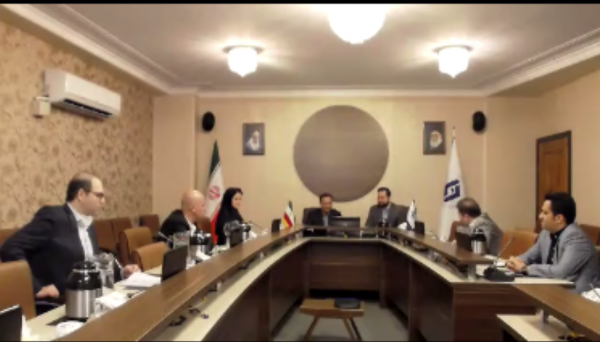
The ICA members in Iran were represented by Mr. Mohammad Ali Zeyghami and Mr. Alireza Banaeifar, from Iran Chamber of Cooperatives; Ms. Forough Davari, Rah-e-roshd Cooperative Educational Complex (RCEC); Ms. Sarah Amoli and Mr. Mohammad Nekouyi, Central Union of state Rural Production Cooperatives of Iran (CURPC); Mr. Emad Ghadami, Pishgaman Cooperative Union (PCU); Mr. Mohsen Azizi, Tose'e Ta'avon Bank (T.T. Bank); Mr. Younes Mazloumi, Managing Director, Taavon Insurance Co.; Mr. Alireza Sharafi, Iran Oilseeds & Vegetable Oil Processing Factories Co-operative (Farda Co-op); Mr. Ahmad Balan and Mr. Abdolreza Moslemi, Central Organization for Rural Co-operatives of Iran (CORC); and Mr. Dariush Hekmat, Managing Director, Supervision and Coordination Central Union of Rural and Agricultural Co-operatives of Iran (SCURA). ICA-AP was represented by Mr. Balasubramanian Iyer, Regional Director; Mr. Sethu Madhavan, Advisor; and Mr. Shree Padmanabhan, IT and Communications Officer.
CORC’s immediate response was to get into the distribution of masks and gel, give members respite from loan repayment, assess how damage in production could be compensated and provide fresh loans to members. They opened their facilities for use by members and continued with training online. In terms of future action, they were looking to provide start-up aid to individuals and to support the community to set up shops to sell products. CORC members were able to pool resources in order to buy and share. SCURA launched an awareness campaign to avoid COVID-19 and distributed food in far off places.
Taavon insurance saw decrease in demand for their products and increase in claims due to loss in business. Their first response was to address needs of members by deferring premium payments and trying to see how exclusions clauses (pandemic as force majeure) could be overcome. They are looking into new areas (health products) and accelerating moves towards digital applications.
TT Bank faced a direct economic impact due to the shutdown and fall in economic activities. They were able to open their physical locations as soon as the lockdowns were eased and took ample precautions to protect their staff and customers. They were able to provide respite to their customers in terms of payment deferment and interest reduction.
PUC as an IT and communications cooperative saw an upsurge in the use of internet and an increase in demand for bandwidth. Despite this they saw a decrease in business but their first response was to prevent layoff, keep staff on their rolls and substitute them across functions. They plan to increase business through webinars, application development and online sessions.
REC’s core activities – the physical running schools and educational institutions came to a halt. However, they were able to shift some of their classes to online mode. This required orientation of their teachers to online teaching, resources being made available online and ensuring their students had access to facilities. They had to do this in a short time and now have the systems in place to conduct trainings, engage in online discussions and disseminate information.
ICC in summarizing said that cooperatives across all sectors (agriculture, banking, insurance, education and IT) were doing a lot to meet the needs of their members. ICC as the representative body was lobbying with the government to include cooperatives in economic packages and pay attention to their needs. On the occasion of International Day of Cooperatives, the plan was to launch the campaign, “Affect, Share and Recover.” They were planning to ask members to share their top three ideas to preserve the environment.
Members from Iran were looking to share their experience, learn from other countries and take part in trainings and webinars (online).


